
Northern Coast Context
Why this shoreline mattered to every voyage
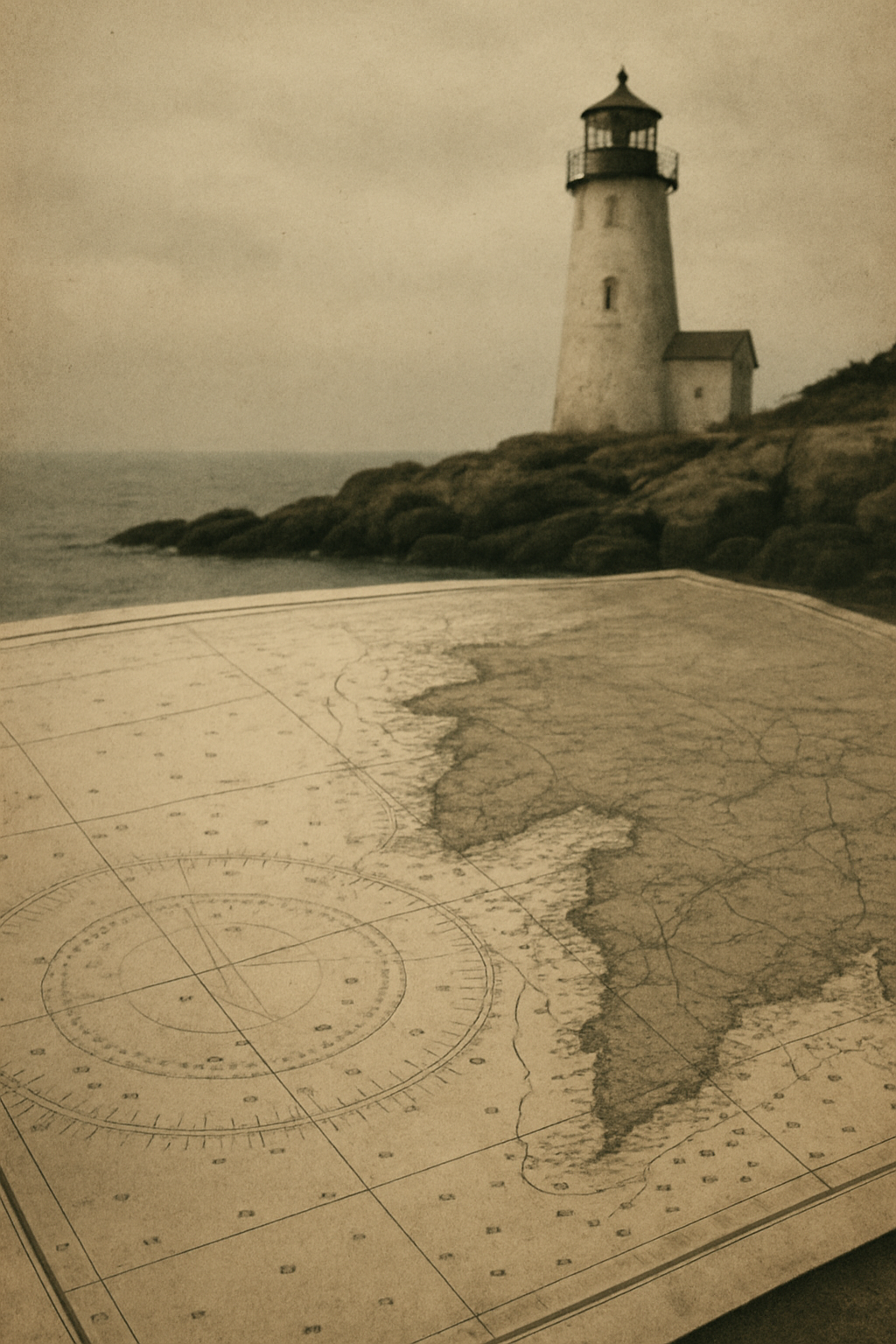
Along the northern coast, lighthouse stations formed a practical chain of guidance through fog, shoals, and long winter seas, connecting working harbors to the wider maritime routes that sustained coastal communities.
- Trade routes
- Lantern marks and sector lights aligned cargo runs carrying timber, salt fish, and grain between northern inlets and regional ports.
- Severe weather
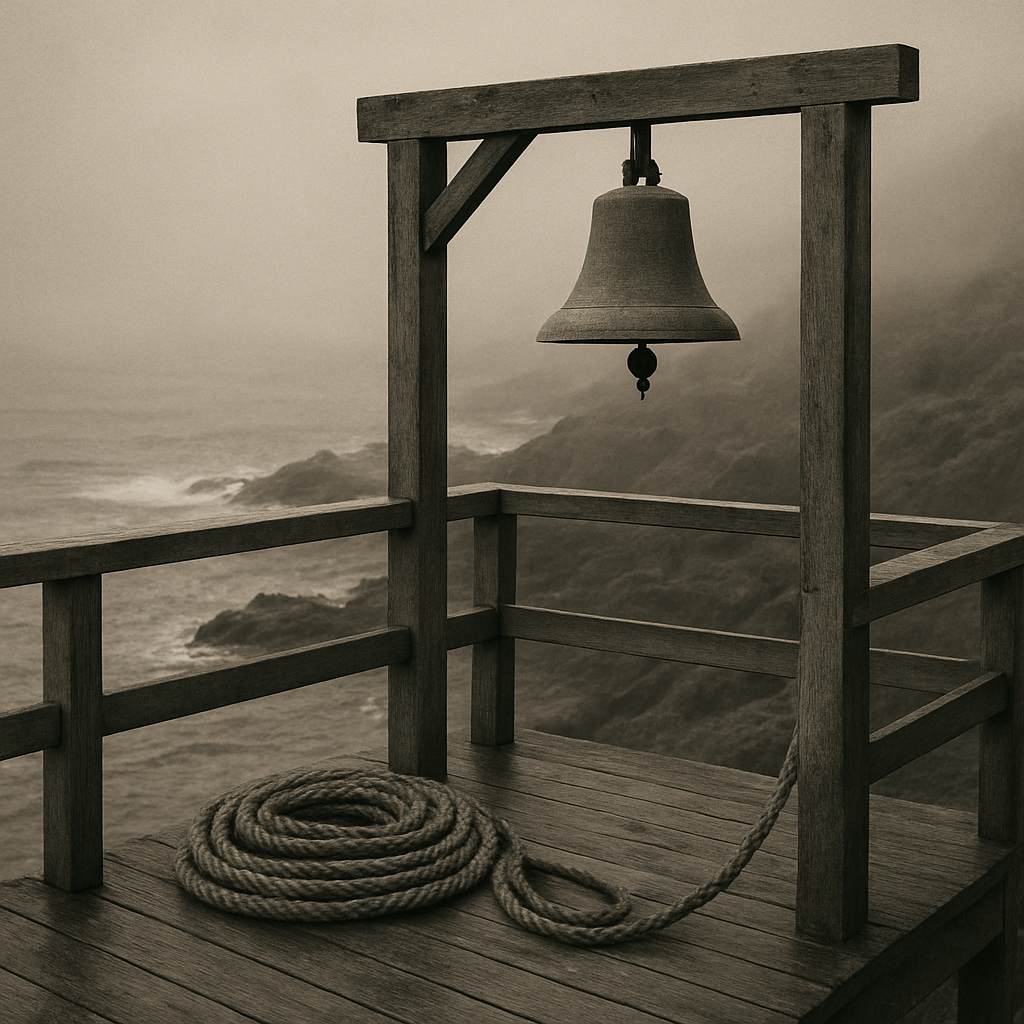
- Frequent fog banks and sudden gales reduced visibility to minutes, making fixed beacon intervals a daily safety system rather than a rare aid.
- Rocky approaches
- Submerged ledges and narrow channels required precise coastal bearings, documented in charts that paired depth soundings with lighthouse sightlines.
- Isolated stations
- Keepers often worked weeks apart from town, recording weather, lamp service, and rescue calls that now anchor the human record of each tower.